🎯 Quick Takeaways
- The fastest savings come from forgotten subscriptions — most people find $30-100/month sitting there
- The 48-hour rule alone fixes most impulse online shopping ($94 SHEIN orders disappear)
- Switching to store-brand for boring household stuff saves 30-60% with zero quality loss
- Skip the trendy decor and “aesthetic” buys — they look cute for two days, then sit on a shelf
- Pick 3 items from this list to start with. Don’t try to cut all 15 at once.
- The total saved on this list = around $300/month, without giving up anything I actually loved
📑 Table of Contents
- Starbucks drinks before class
- SHEIN clothes after midnight
- Bottled water
- Brand-name medicine
- Streaming subscriptions I forgot existed
- Pre-cut vegetables
- Greeting cards from CVS
- Brand-name groceries
- Full-price textbooks
- Subscription boxes
- Makeup remover wipes
- Phone case impulse buys
- Bath & Body Works candles at full price
- Trendy apartment decor for “the aesthetic”
- Gas station snacks
- Common mistakes I made before this list actually worked
- FAQs
If you’re trying to figure out the real things to stop buying to save money fast, here’s what worked for me — and the $487 spending audit that started it all. Last March, on a rainy Tuesday night, i sat on the floor of my apartment near campus with a spiral notebook, a half-dead Target candle, and my Citibank app open. I added up every dumb thing I bought in 30 days.
The total?
$487.12 on stuff I honestly did not need.
Not rent. Not groceries. Random spending.
A $63 SHEIN order at 1:14am. Starbucks drinks during finals week. Two different phone cases because one was “clean girl aesthetic.” A DoorDash cookie skillet that arrived cold. I still remember that stupid cookie.
I almost wrote “self-care purchases,” but actually most of it was boredom spending.
That night turned into my weird little financial reset. I started making a list of things to stop buying to save money because my checking account kept dipping under $40 before payday. I wasn’t trying to become ultra-frugal or live off ramen. I just wanted to stop feeling panicked every time I opened my banking app.
And weirdly? Cutting a bunch of small stuff saved me almost $300 a month without changing my whole life.
1. Starbucks drinks before class
This one hurt.
I used to get a brown sugar oatmilk shaken espresso from Starbucks like it was medically required for my 8am statistics class. With tax, mine was usually $7.43.
Five days a week.
That’s almost $150 a month for coffee.
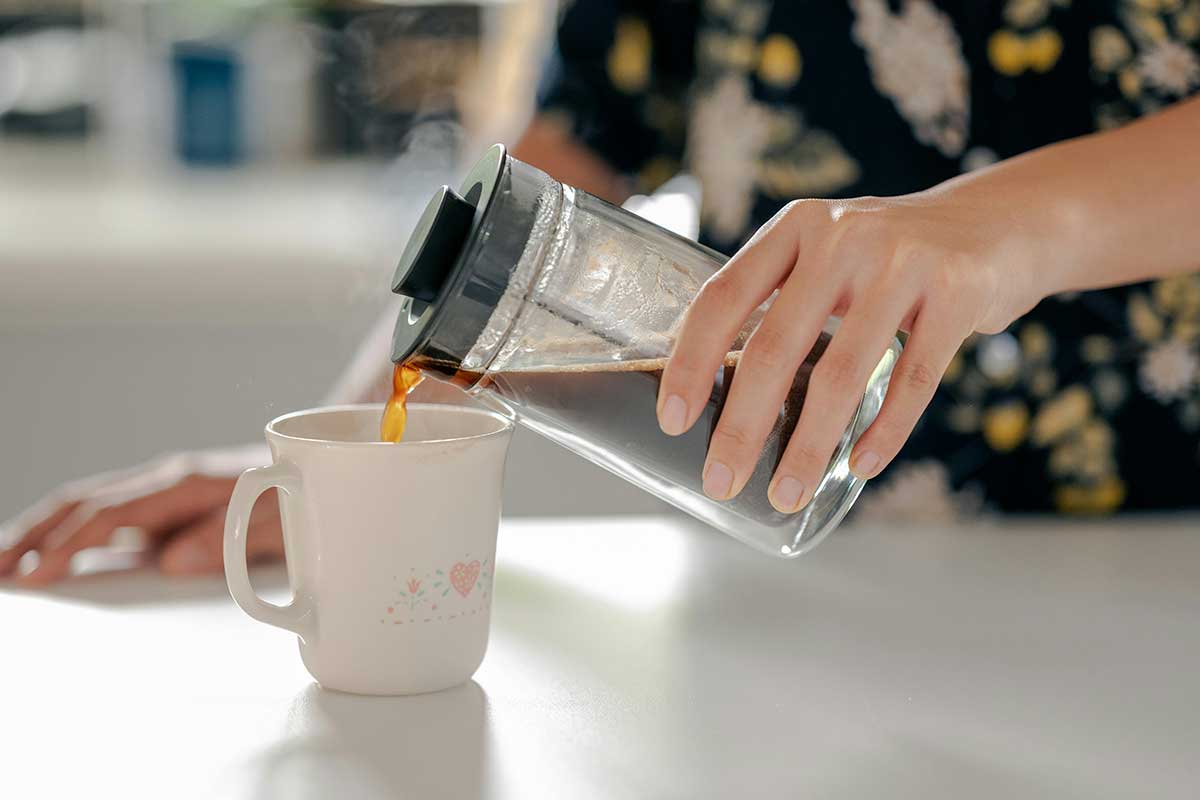
Now I make cold brew at home with Aldi vanilla creamer and one of those giant Costco coffee tubs. It tastes… fine. Not magical. But fine.
And honestly, half the time I bought Starbucks because I wanted to walk around holding the cup.
2. SHEIN clothes after midnight
I swear SHEIN becomes more dangerous after 11pm.
My worst order was $94 during finals week because I convinced myself I needed “vacation outfits” for a trip that was literally four months away.
The package arrived with pants that smelled weirdly like chlorine. One top looked nothing like the photo. I wore maybe two things.
Now if I want clothes, I keep the tabs open for 48 hours first. Most of the time I forget about them completely.
That tiny pause fixed so much impulse spending.
3. Bottled water
I keep typing “cheap” but I really mean wasteful.
I was buying Smartwater constantly between classes because I never remembered my reusable bottle. One bottle here, another at CVS, another from a gas station.
$2.89.
$3.19.
$1.99.
Tiny amounts that turned into almost $40 monthly.
I bought a Brita filter and a giant emotional-support water bottle from Amazon. Problem solved.
Mostly.
4. Brand-name medicine
Tylenol vs CVS acetaminophen.
That’s it. That’s the whole lesson.
I used to buy the name-brand version of everything because I thought generic medicine wouldn’t work as well. Then my roommate Emily, who pre-med students somehow trust with everything, pointed out the ingredients were basically identical.
The CVS version was almost half the price.
Same with allergy medicine. Same with cold medicine.
College budgets do not care about branding.
5. Streaming subscriptions I forgot existed
One night I checked Rocket Money and realized I was paying for:
- Hulu
- Netflix
- Peacock
- Paramount+
- Spotify Premium
- Discovery+
- Some random meditation app I downloaded during midterms
I had not opened Discovery+ in six months.
The meditation app charged me $79 yearly while I was asleep. Which feels rude.
I canceled almost everything except Spotify and one streaming service I rotate every few months. This alone helped me save money fast because subscriptions quietly drain your account without you noticing.
The money I freed up went straight into a high-yield savings account instead of evaporating into apps I forgot existed.
6. Pre-cut vegetables
This sounds dramatic, but pre-cut fruit pricing should honestly be studied.
I bought a tiny container of chopped watermelon from Target for $8.99 once. Eight dollars. For watermelon somebody else touched.
Now I just cut everything myself while watching YouTube videos.
Annoying? A little.
Worth it? Yeah.
And somehow vegetables last longer when I prep them myself. The pre-cut stuff always turned slimy in two days anyway.
7. Greeting cards from CVS
Why are greeting cards so expensive?
I bought a birthday card for my friend Kayla at CVS during her birthday week last October. It was $6.49. The card had glitter inside it and a tiny paper cupcake attached to the front.
She read it for maybe nine seconds.
Then it sat on her kitchen counter beside a bowl of clementines and a dying succulent.
I started buying dollar-store cards or making tiny handwritten notes instead. Nobody cares as much as Hallmark wants us to think they do.
8. Brand-name groceries
Some brand-name foods are worth it.
Others absolutely are not.
I stopped buying things like:
- Name-brand pasta
- Frozen vegetables
- Basic cereal
- Flour
- Sugar
- Oatmeal
Aldi saved my life during sophomore year.
Wait, scratch that. Aldi saved my checking account.
The weird thing is I still buy certain expensive snacks. I refuse to give up the Tillamook ice cream sandwiches. Those are staying. But switching boring pantry stuff to generic brands helped me cut expenses without feeling miserable.
9. Full-price textbooks
I cannot believe I used to walk into the campus bookstore and just accept paying $287 for one textbook.
That feels fake now.
I rent textbooks whenever possible. I check Facebook Marketplace first. Sometimes older editions work perfectly fine even if professors pretend they don’t.
One economics book I needed was $214 new on campus.
I found it used online for $38 with highlighted notes from some guy named Trevor. Trevor actually explained chapters better than my professor did.
10. Subscription boxes
Ipsy got me for almost a year.
Every month I’d get a tiny bag with five products I barely used. Mini highlighter. Weird lip oil. Glitter eyeliner that made me look like I lost a fight with craft supplies.
And yet I kept the subscription because opening the package felt exciting for approximately four minutes.
FabFitFun almost trapped me too after a YouTuber convinced me the boxes were “worth over $300.”
No they are not.
They are worth whatever random junk you actually use.
Canceling subscription boxes instantly improved my smart spending habits because I stopped collecting clutter disguised as self-care.
11. Makeup remover wipes
This one surprised me because I thought wipes were convenient.
But I went through packs constantly.
Neutrogena wipes were like $8 every couple weeks, and half the wipes dried out before I finished the package. Now I use reusable makeup remover pads with micellar water.
Cheaper. Less trash.
Although one time I forgot to wash the reusable pads for like three weeks and found them at the bottom of my laundry basket smelling terrifying. Anyway.
12. Phone case impulse buys
Phone cases are the adult version of stickers.
Every time I got bored, I’d convince myself a new case would somehow fix my life aesthetic.
- Clear glitter case.
- Cherry print case.
- Cloud case.
- Neutral beige case that looked cute for exactly two days.
Amazon absolutely feeds this problem.
One month I bought three cases totaling $47. For the same phone.
Ridiculous.
Now I use one decent case until it literally breaks.
13. Bath & Body Works candles at full price
I bought a $24 Bath & Body Works candle the same week as my friend Kayla’s birthday. The scent was Mahogany Teakwood and I lit it twice before forgetting about it completely.
Two times.
That candle sat beside my TV for months collecting dust.
Now I only buy candles during major sales or with coupons. Sometimes I skip them completely because honestly, I’m usually nose blind after ten minutes anyway.
But stores like Bath & Body Works are dangerous because everything smells emotionally comforting. Vanilla bean. Cinnamon pumpkin. Fresh linen. Suddenly you’re holding three candles and a hand soap you did not plan to buy.
This reminds me of when I worked seasonal retail one winter and the holiday playlist repeated every 45 minutes. One song got stuck in my head for weeks and i still remember the exact peppermint mocha room spray near the register. I don’t even know why I brought that up.
14. Trendy apartment decor for “the aesthetic”
TikTok made me think every apartment needed:
- Wavy mirrors
- Fake vines
- Matching beige storage jars
- Tiny lamps
- Gold picture frames
- Decorative trays holding absolutely nothing
I spent so much money trying to make my apartment look like a Pinterest board even though I was eating instant noodles on a folding chair.
One month I bought a $52 mirror from Target because influencers kept posting it.
The mirror leaned against my wall for five months because I was too lazy to hang it.
If you’re trying to decorate on a student budget, thrift stores help way more than trend shopping. I also started reading ideas like these budget home decor ideas instead of panic-buying decor every time my room looked boring.
15. Gas station snacks
This one was sneaky.
I’d stop for gas and somehow leave with:
- Takis
- Vitaminwater
- Reese’s cups
- Sour gummy worms
- Trail mix I did not even want
Gas stations charge airport prices for snacks.
One quick stop could become $14 without trying.
Now I keep snacks in my backpack or car. Granola bars. Gum. Pretzels from Costco.
Boring? Maybe.
But it saves money fast because those tiny purchases stack up aggressively.
Common mistakes I made before this list actually worked
My first attempt at saving money was way too extreme.
I tried doing a “no spend month” during midterms and failed within four days because I forgot laundry quarters existed. Then I got frustrated and ordered Uber Eats like three times in one weekend.
The other mistake was cutting everything fun at once.
That never lasts.
I still buy coffee occasionally. I still go to Target with friends sometimes. The difference is I stopped buying things automatically.
I also ignored my bank account for years because checking it stressed me out. Bad move. Once I started tracking spending with Mint and later YNAB, patterns became painfully obvious.
And don’t trust your memory.
I used to think I only ordered DoorDash “once in a while.” My bank statements exposed me immediately.
One more thing: trying to save money without a goal made it harder. My goal was simple. I wanted to save money every month so I could stop putting random emergencies on my credit card.
Turns out that’s pretty motivating when your tire suddenly dies in a Walmart parking lot.
FAQs
What are the best things to stop buying to save money quickly?
The fastest savings usually come from daily habits and subscriptions. Coffee shop drinks, food delivery, forgotten streaming services, impulse shopping, and convenience foods add up way faster than people think. Those were the biggest budget killers for me.
How much money can you realistically save by cutting small purchases?
Honestly, small purchases shocked me the most. I saved almost $300 a month just by changing everyday spending habits. A $6 coffee or $12 DoorDash fee feels tiny in the moment, but repeated spending stacks up fast over 30 days.
Is frugal living miserable?
Not really. I thought cheap living meant never having fun, but most of the changes barely affected my life after the first few weeks. I still buy things I genuinely enjoy. I just stopped wasting money on stuff I forgot about immediately.
What apps helped you cut expenses?
Rocket Money helped me find subscriptions I forgot about. YNAB made me actually plan spending before buying things. Honey helped with random online coupons sometimes, although half the codes never worked for me.
Should college students stop buying all non-essential things?
No. That usually backfires.
I tried becoming super strict and ended up stress-spending later. Keeping a realistic student budget works better than trying to become some minimalist finance influencer overnight.
Anyway, my reusable water bottle just rolled off my desk again and scared me half to death. Also, why do candles smell stronger in stores than at home? I still don’t fully understand that.
👤 About the Author
Hi, I’m Millie — a college student writing about real budget living from my actual experience, not a finance textbook. I share what actually works when you’re figuring out things to stop buying to save money on a student income, plus all the small life things in between. You’ll find more honest money saving tips and frugal living ideas across SavvyHerLife.
This post was researched and drafted with AI assistance, then reviewed and personally edited by Millie. All stories, brand mentions, dollar amounts, and recommendations are based on real student experience.
3 thoughts on “15 Things I Stopped Buying to Save Money Fast (My $300/Month Cut List)”